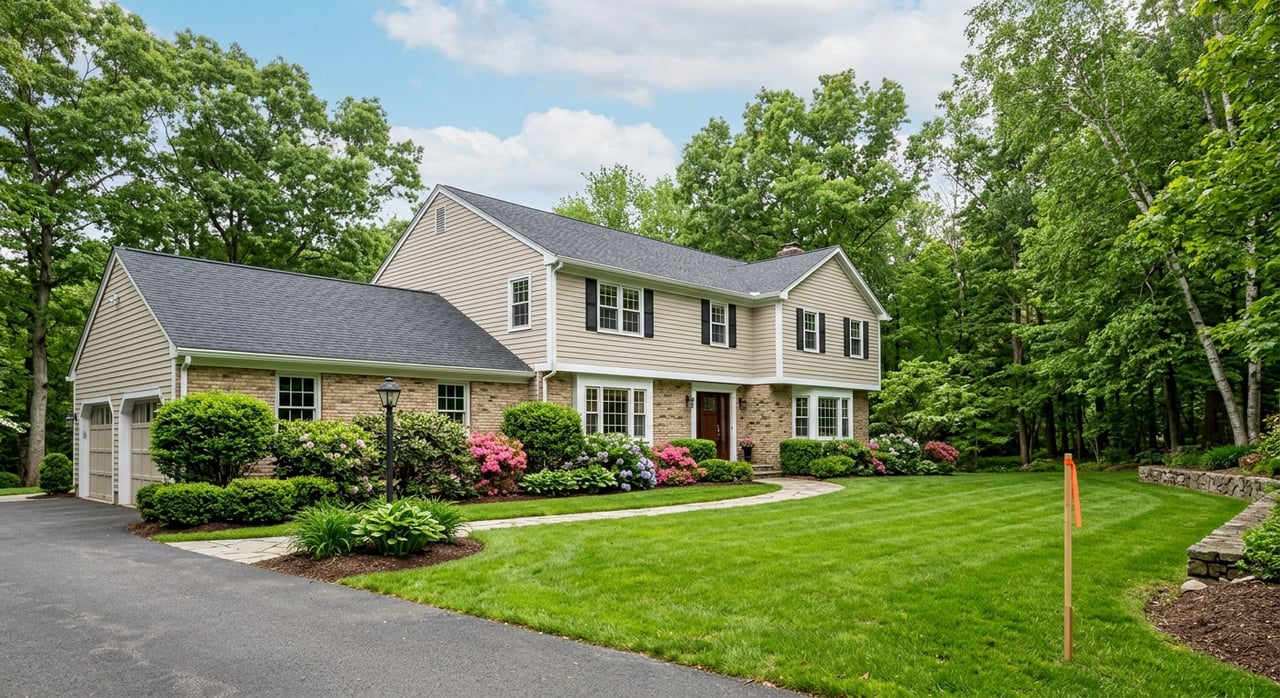
If you have been watching Vienna long enough, you have probably noticed a familiar pattern: older homes come down, and thoughtfully planned new houses rise in their place. For buyers, sellers, and property owners, that can create real opportunity, but it also brings a lot of questions about zoning, permits, lot limits, and value. This guide will help you understand how Vienna’s tear-down and new-build market works, what to measure before making a move, and where local rules can shape the outcome. Let’s dive in.
Why Vienna sees tear-down activity
Vienna’s location is a big part of the story. The town sits about 15 miles from Washington, D.C., and the Town of Vienna describes itself through traditional neighborhoods, Maple Avenue, Church Street, and the Windover Heights Historic District. Its Planning & Zoning department also says its job is to guide development in ways that support the town’s vision while preserving Vienna’s neighborly character.
That matters because much of Vienna’s residential framework is still centered on detached single-family homes. The town’s zoning materials identify RS-10, RS-12.5, and RS-16 as single-unit detached residential districts mapped as low-density residential areas. In practical terms, that means tear-downs and infill redevelopment are a recurring part of the local market, not an unusual exception.
Why buyers and sellers should pay attention
If you own an older home in Vienna, your property value may be influenced by more than the existing house. In some cases, buyers are looking closely at the land, lot dimensions, and redevelopment potential. That does not mean every older home is a tear-down candidate, but it does mean lot characteristics can play a major role in pricing and strategy.
If you are buying, the reverse is also true. A house that seems appealing at first glance may come with constraints that affect expansion, replacement, or future resale. In Vienna, the difference between a straightforward project and a difficult one often comes down to the lot envelope and the local review process.
How Vienna regulates tear-downs and new builds
Vienna and Fairfax County split responsibilities for residential redevelopment. The Town of Vienna handles zoning, site plans, subdivisions, variances, certificates of occupancy, and other town-level approvals. Fairfax County acts as the building official for structural, mechanical, electrical, plumbing, fire, and health-related requirements before permits are issued.
Before a new or expanded residential structure can be occupied, Vienna issues a Certificate of Occupancy after county inspections and town site and zoning inspections are complete. That means a project does not move from construction to occupancy on building work alone. Local zoning compliance remains part of the process.
For larger residential projects, Vienna says large-scale residential permits apply when demolition or construction disturbs more than 2,500 square feet of land. That category includes new single-family dwellings, garages, pools, and home expansions. Fairfax County also requires a residential demolition permit for complete or partial demolition of a residential structure or pool.
Key zoning numbers to know
When you are evaluating whether a property may support a tear-down and rebuild, a few core standards matter right away.
- RS-10 requires at least 10,000 square feet of lot area
- RS-12.5 requires at least 12,500 square feet of lot area
- RS-16 requires at least 16,000 square feet of lot area
- One principal structure is allowed per lot in these districts
- Lot coverage is capped at 25 percent
- Height is capped at 35 feet
- Maximum height in stories is 2.5 stories
Those numbers are only the starting point. Lot width and setback requirements also vary by district, which is why a lot that looks large enough on paper may still be limited in practice.
Why lot coverage matters more than many expect
Lot coverage is one of the most important details in Vienna’s new-build market. The town’s lot coverage guidance shows that the 25 percent cap includes more than just the house itself. It can also include accessory buildings, driveways, patios, stoops, terraces, courts, and certain deck conditions.
Vienna allows up to an additional 5 percent for deck coverage under specific rules, but that does not erase the need for careful planning. Most modifications that add coverage require a building permit or zoning permit, and the calculation must be shown on a current plat or site plan. For buyers and owners, this is a big reason why a concept that feels reasonable may still need to be scaled back.
What to measure before you assume a lot is buildable
A property’s redevelopment potential depends on more than total lot size. Before you make assumptions, it helps to verify the physical and regulatory details that shape what can actually be built.
Start with the lot and zoning basics
You will want to confirm:
- The zoning district
- Total lot area
- Lot width
- Front, side, and rear setback requirements
- Maximum lot coverage
- Height and story limits
These basics help define the buildable envelope. Without them, it is hard to know whether a desired footprint is realistic.
Review the current survey or plat
Vienna’s application checklist for larger residential projects calls for a survey or plat showing the legal description, area, boundaries, abutting streets, lot coverage, and setback information. That document becomes the working map for testing what fits.
Depending on the site, more documentation may also be required. Applicants may need wall checks, height certifications, final house-location surveys, stormwater certifications, or FEMA elevation certification if the property is in a floodplain.
Look for site-specific constraints
Some lots face added complexity that can affect timing, cost, or design. These issues can include:
- Easements
- Access limitations
- Floodplain conditions
- Soils concerns
- Stormwater requirements
- Utility issues
- Lot changes that may require a subdivision plan
This is why redevelopment analysis in Vienna is often less about dreaming up a floor plan and more about seeing whether that plan fits the rules without triggering extra approvals.
Historic district rules can change the process
Not every parcel is reviewed the same way. If a property is located in the Windover Heights Historic District, additional review applies. The town requires a Certificate of Appropriateness from the Windover Heights Board of Review for small- and large-scale residential permits and for other exterior modifications.
That added review can influence both design choices and project timelines. For buyers and sellers, it is important to know early whether a home sits within the district, because that can shape redevelopment options in a meaningful way.
Variances are not a simple workaround
Some property owners assume they can buy a lot first and solve zoning issues later with a variance. In Vienna, that is not a safe assumption. The town states that variances are available only when strict application of the ordinance would unreasonably restrict use of the property and when the hardship is not generally shared by other properties.
In plain terms, a variance is not meant to make an oversized vision fit a normal lot. It is intended for specific hardship situations. That is why careful due diligence up front matters so much.
How land value and improvement value affect pricing
Fairfax County’s assessment framework offers a useful way to think about tear-down economics. The county distinguishes between land and improvements, and it says improvements generally mean the value of the main dwelling. Property is assessed annually as of January 1 using comparable sales, and owners can review sales in their assessment neighborhood through the county’s assessment system.
For some older homes, market interest may lean more heavily toward the site than the existing structure. That can influence pricing, negotiation, and marketing strategy. If you are selling, understanding whether buyers are valuing the house, the lot, or both can help you position the property correctly from the start.
What owners should know about tax timing
Taxes can shift during a redevelopment project. Fairfax County says a supplemental tax bill may be generated when permitted changes to improvements increase value by $50,000 or more after the January 1 assessment date. New construction can therefore create a mid-year tax adjustment.
That does not mean every project will follow the same timeline or amount, but it does mean tax planning should be part of the conversation. If you are building or buying new construction, it is wise to factor that possibility into your budget.
A smart due-diligence path in Vienna
Whether you are a homeowner considering a sale, a buyer exploring lot potential, or a builder sizing up an opportunity, a clear process can save time and reduce risk.
Follow this review sequence
- Verify the zoning district
- Check current planning guidance and the development activity map
- Order a current survey
- Review easements, access, floodplain, soils, stormwater, and utility conditions
- Test the proposed footprint against lot coverage, setbacks, and height limits
- Confirm whether historic district review, subdivision review, or other town approvals may apply
Vienna is also updating its comprehensive plan for the next 20 years. The town notes that the plan guides future zoning updates, capital investments, and development decisions, but does not change zoning by itself. That makes it especially important to verify current code language and current review requirements rather than rely on old assumptions.
What this means for your Vienna real estate decisions
In Vienna, tear-down and new-build opportunities can be compelling, but they are rarely simple. The most successful outcomes usually come from understanding the town’s zoning framework, confirming what the lot can actually support, and building a strategy around facts instead of guesswork.
If you are selling, that may mean identifying and presenting the property’s redevelopment story clearly. If you are buying, it means looking beyond appearances and studying the site with care. And if you are weighing a build, it means recognizing that local approvals, lot coverage, setbacks, and historic review can all shape the final result.
When land use and zoning affect value, experienced guidance matters. For tailored advice on Vienna properties, redevelopment potential, and new-build positioning, connect with Dianne Van Volkenburg.
FAQs
What makes a home in Vienna a tear-down candidate?
- In Vienna, a property may attract tear-down interest when buyers see more value in the lot, zoning, and redevelopment potential than in the existing house itself.
What zoning districts are common for Vienna single-family tear-downs?
- Vienna’s residential framework includes RS-10, RS-12.5, and RS-16, which are single-unit detached residential districts.
What is the lot coverage limit for many Vienna new builds?
- In RS-10, RS-12.5, and RS-16, lot coverage is capped at 25 percent, with up to an additional 5 percent for deck coverage under specific rules.
Who handles permits for a tear-down or new build in Vienna?
- The Town of Vienna handles zoning and related local approvals, while Fairfax County serves as the building official for structural, mechanical, electrical, plumbing, fire, and health-related permit requirements.
Do Vienna historic district properties have extra review?
- Yes. Properties in the Windover Heights Historic District need a Certificate of Appropriateness for certain residential permits and exterior modifications.
Can you rely on a variance to make a Vienna lot work?
- No. Vienna allows variances only under limited hardship conditions, so they should not be treated as a routine solution for an oversized design or a constrained lot.
Can new construction in Fairfax County affect taxes mid-year?
- Yes. Fairfax County says a supplemental tax bill may be issued when permitted changes increase improvement value by $50,000 or more after the January 1 assessment date.