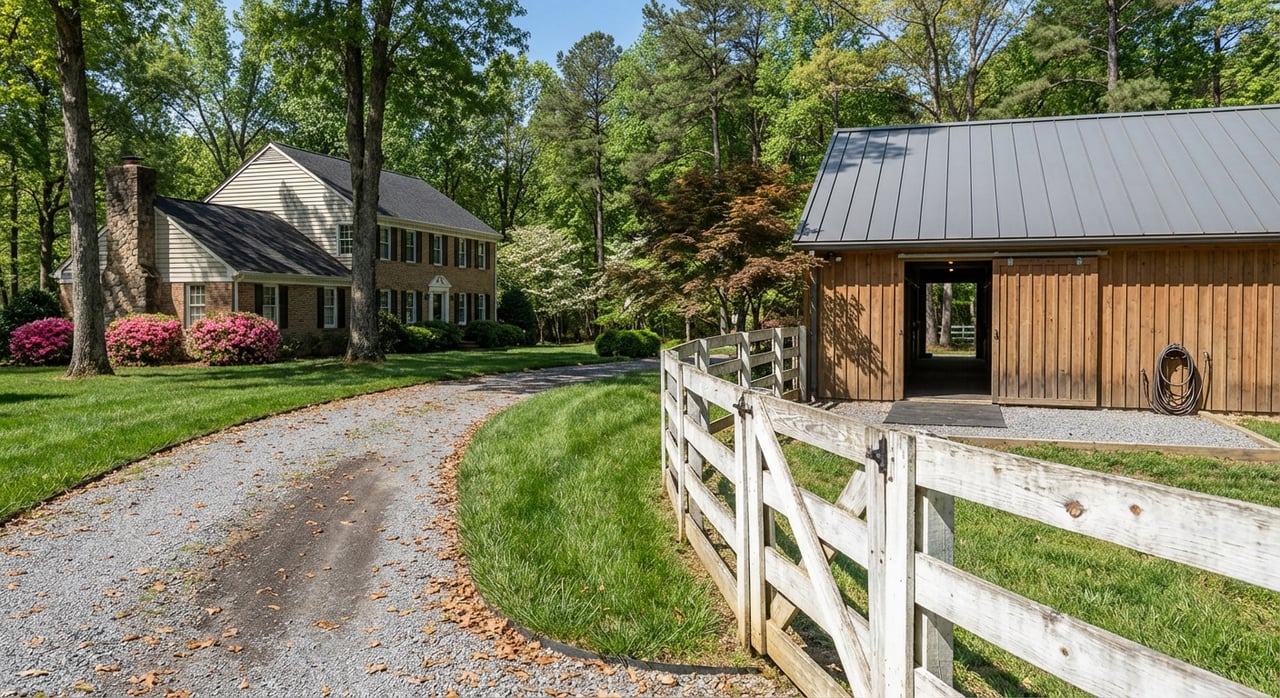
Thinking about selling your Great Falls acreage or equestrian home? Getting top dollar is not just about curb appeal. It is about proving the value of your land, the safety and functionality of your barns, and the confidence buyers need to close. This guide gives you a clear, local plan to price, prep, market, and navigate zoning and disclosures so you sell with confidence. Let’s dive in.
Today’s Great Falls acreage market
Great Falls is a high-end, low-volume market where property values vary by lot size, usable acreage, and improvements. Recent data shows typical home values and sales well into the luxury range with longer marketing timelines compared to urban areas. That means quality, documentation, and presentation matter.
Your most likely buyers include owner-operators and hobby equestrians, households seeking privacy and estate settings, and select investors who value large lots. Well-positioned acreage with safe, functional equine facilities continues to draw qualified interest. Pricing that reflects usable land and documented improvements helps you stand out and hold firm in negotiations.
Price the land and equine value
Focus on usable acreage
Buyers pay for land they can use. Flat pasture, well-drained soil, and good siting for arenas and turnouts carry more value than steep or wet woodlands. Fairfax County’s Chesapeake Bay Preservation rules restrict activity near streams and wetlands. If your property touches a Resource Protection Area, your usable acreage may be lower than your total acreage. Review the county’s guidance on RPAs to understand buffers and what is permitted within them.
- Learn more about RPAs and buffers on the county’s FAQ page: Fairfax County Resource Protection Areas.
Equine infrastructure that moves price
Equestrian buyers evaluate safety and functionality first. Well-ventilated barns, safe electric, secure doors and hardware, horse-safe fencing, and maintained footing tell buyers they can operate from day one. Poor fencing, aging roofs, and visible safety issues invite discounts. Include stall counts, ring dimensions, fence materials, and recent upgrades on your features sheet.
Water and wastewater matter
Private well capacity and septic or alternative onsite system documentation are critical for rural buyers and lenders. Pull recent pump-out records and any well test data you have. Buyers value clarity on capacity, permits, and maintenance history, and clean records support a smoother appraisal and financing process. Start here for county health and well or septic info: Fairfax County Sewage and Water.
Access and trail connectivity
Trailer access, turning radius, and parking are make-or-break details for equestrian use. Harden soft drive areas and show where a truck and trailer can turn. If your property connects conveniently to local bridle paths or parks, highlight that in your listing and on your map. Explore the county’s trail resources to see what you can feature: Fairfax County Equestrian and Nature Trails.
Support your price with records
Acreage and equestrian properties are unique, so the strongest pricing support includes nearby comps with similar land and equine features, plus an itemized improvements list. Document ages and costs for major items like barn roofs, fencing, arena base and footing, and electrical upgrades. Organized records help your buyer’s appraiser and build confidence during due diligence.
Check zoning, permits, and overlays
Confirm your district and overlays
Start by confirming your parcel’s zoning district, any overlays, and recorded proffers. These define what can be built or expanded and influence value and buyer plans. Fairfax County publishes the official code and tools to check your parcel’s details. Review the Fairfax County Zoning Ordinance to understand your property’s rules.
Agricultural and Forestal Districts
Some Great Falls properties are in Agricultural and Forestal Districts that encourage open land and can reduce property taxes based on use. These districts come with commitments that limit certain changes during the term and may involve roll-back taxes if the use changes. If your property is in an A and F district, disclose it early and be ready to explain the benefits and constraints. Learn more at Fairfax County Agricultural and Forestal Districts.
Chesapeake Bay RPAs and usable acres
If any part of your land falls within an RPA buffer, you will need county approval for most land-disturbing activity in that area. This affects arena placement, paddock expansion, and new outbuildings. Verify your mapping and have any surveys or studies available so buyers understand exactly what is usable.
Permits for barns and outbuildings
Detached structures over certain sizes typically require building permits and plan review. Older or unpermitted barns can slow a sale. If you can, gather permit records now or address missing permits before listing. See the permit library for residential new or accessory structures: Fairfax County Permit Library.
Access, frontage, and subdivisions
Some low-density parcels sit on private roads or have unique frontage and easement situations. These can affect future divisions, lender eligibility, and insurance. Confirm access type, any shared maintenance agreements, and recorded easements. Put copies in your buyer materials so there are no surprises.
Pre-listing prep that pays off
A smart sequence protects value and reduces repair credits later. Prioritize safety and function over cosmetics.
1) Safety and structure first
Address roof issues, correct barn electrical concerns, and fix gates, latches, and loose boards. Improve drainage around gateways and high-traffic areas to reduce mud. Simple fixes remove buyer objections and make photos and showings smoother.
2) Clean and stage the barn
Sweep aisles, remove cobwebs, and keep stalls tidy. Organize tack and feed rooms and haul manure before showings. A clean, well-lit barn helps buyers picture daily operations and shows up well in photos and video.
3) Fencing and paddocks
Repair sagging rails, replace hazardous wire, and align gates so they latch securely. Show your cross-fencing layout and water access on a simple map. For rough budgeting on upgrades, national pricing guides can help you scope options such as post-and-rail or horse-safe mesh. See typical ranges at HomeGuide fencing prices.
4) Arena and trails
Drag and groom footing before photos and showings. Trim and clearly mark any on-site trails and remove small blowdowns. If you ride out to nearby parks or trail networks, note distances and access points on your property map.
5) Create an Equestrian Property Pack
Package the documents serious buyers and appraisers need. Include:
- Recent survey with boundaries, easements, and measured pasture or arena footprints.
- Zoning confirmation and any proffers or overlays.
- Septic pump-out receipts, OSE reports, and any well testing results. Start at Fairfax County Sewage and Water to gather records.
- Building permits for the house, barn, and major outbuildings or a note on any missing permits.
- Maintenance receipts for barn roof, fencing, and arena base or footing.
- If you boarded horses, share a short operating summary and typical utility or hay costs.
If you are weighing major upgrades like an indoor arena, get quotes from local vendors. National guides show that indoor arenas can run into the hundreds of thousands for common sizes, so weigh cost against likely buyer demand. For orientation, see typical ranges at HomeAdvisor indoor riding arena costs.
Smart marketing for acreage and horse properties
Luxury acreage sells best with clear, complete storytelling. Invest in professional photography plus drone aerials that show pasture lines, barns, arenas, and driveway access. Include barn interior shots that capture aisle width, stall finishes, tack and wash areas, and storage. Add a labeled property map that shows paddocks, cross-fencing, waterers, and trailer parking.
Target the right buyer pools with a detailed features sheet that includes stall counts, ring dimensions, fence types and lengths, and recent improvements. Combine local outreach with broader exposure through your brokerage’s luxury networks and equestrian channels. Many equestrian buyers shop from out of area, so short lifestyle videos and a clear document portal can keep momentum high even when buyers are remote.
Appraisals, financing, and disclosures
Appraisals and special-purpose improvements
Barns, arenas, and specialized equine features are often considered special-purpose improvements. Appraisers will look for comparable sales and may use a cost approach for certain elements. Help them by supplying your comps, itemized improvements list, and any vendor receipts. This reduces value gaps and protects your negotiated price.
Financing and timeline
Conventional financing is possible in Great Falls, but private roads, shared systems, or unpermitted outbuildings can narrow lender options. Expect more lender questions and be ready for a longer escrow on complex properties. Clear records, early permit checks, and a thorough buyer pack shorten the path to closing.
Disclosures and health records
Virginia requires sellers to complete state disclosures. Acreage homes often include septic or well systems and outbuildings, so gather your paperwork early to prevent delays. Review the state’s guidance and forms at the Virginia Residential Property Disclosures page.
Taxes, easements, and long-term value
Conservation easements and credits
Donating or selling a conservation easement can reduce development rights and assessed value. Virginia also offers a Land Preservation Tax Credit that may benefit owners considering preservation. If you are evaluating this path before selling, consult your tax advisor and explore guidance at the Virginia Land Preservation Tax Credits page.
Roll-back taxes and land-use status
If your property is in an Agricultural and Forestal District or a use-value program, a change in use can trigger roll-back taxes. Confirm your status and obligations before you list so you can set buyer expectations and avoid last-minute surprises.
The bottom line
You can command a strong price for a Great Falls acreage or equestrian home when you present usable land clearly, prove safety and function in your barns and fencing, and deliver the records buyers and appraisers need. Pair that with targeted marketing and local zoning fluency, and you set the stage for a confident sale.
If you would like a discreet, step-by-step plan tailored to your property, request a private consultation with Dianne Van Volkenburg.
FAQs
How do I value usable versus total acreage in Great Falls?
- Buyers pay most attention to flat, well-drained, and accessible pasture or arena space, and they discount areas within Chesapeake Bay RPA buffers or steep, wet woodlands.
Do I need permits for my barn before selling?
- If your outbuildings exceed certain size thresholds, county permits are required, so gather records or address missing permits using the county’s Permit Library.
How do Chesapeake Bay RPAs affect my sale?
- RPAs limit land-disturbing activities within mapped buffers, which can reduce usable acreage and affect siting for arenas or additions, so verify your mapping and share it with buyers.
What documents should I provide equestrian buyers?
- Include a current survey, zoning confirmation, well and septic records, building permits, an improvements list with ages and costs, and a labeled map of paddocks, arenas, and access.
Are indoor arenas worth building before listing in Great Falls?
- Only if local buyer demand and comps support it; indoor arenas can be costly, so get quotes and consider listing with well-maintained existing facilities instead of adding new ones.
How long do acreage and horse properties take to sell?
- Marketing windows are often longer than for typical suburban homes, so strong presentation, complete records, and realistic pricing help you stay on track to a quality closing.